
The role of terroir in the quality of Cognac: soils, climate and exceptional crus
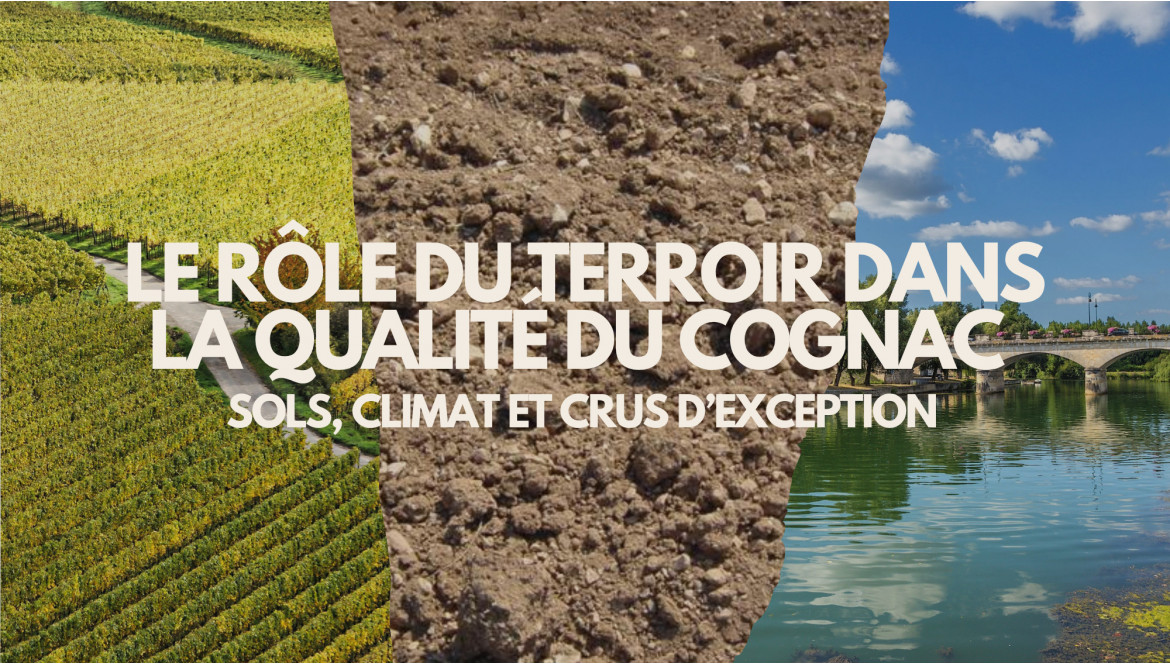
Cognac is much more than a spirit: it is the reflection of a unique terroir found nowhere else in the world. The quality of cognac depends directly on several essential natural factors: soils, the oceanic climate, and the classification of the Cognac crus.
Understanding the Cognac terroir allows for a better appreciation of its aromatic complexity and exceptional elegance.
Discover also our cognacs from these terroirs: Cognac Only collection
 Cognac terroir: vineyards and limestone soils
1. What is Cognac terroir?
Terroir refers to all the natural conditions that influence the quality of the grapes used to produce cognac: soils, climate, topography, and exposure.
In the Cognac region, this terroir is strictly regulated by a Protected Designation of Origin (PDO Cognac).
Related article: How cognac is made
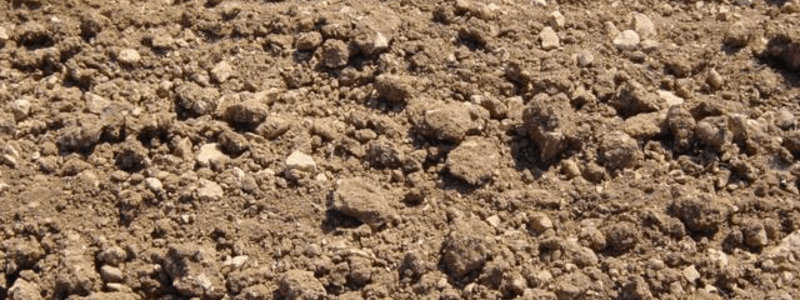 Limestone soils: key element of Cognac terroir
2. The importance of soils in Cognac quality
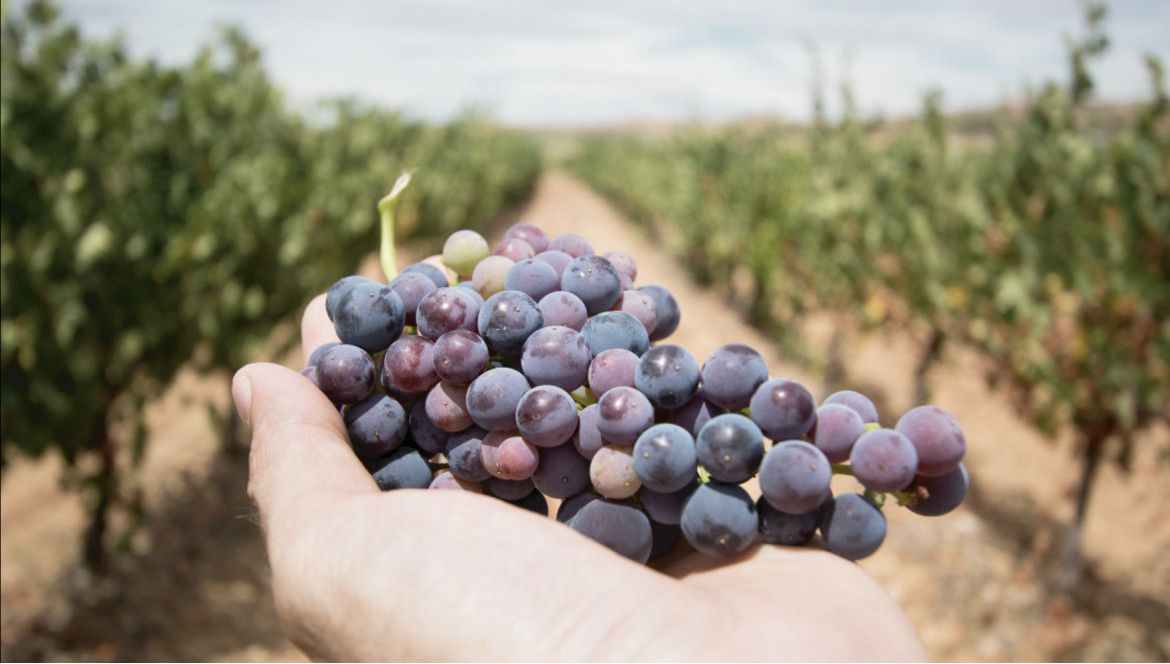
The soils of the Cognac region are mainly composed of limestone. This type of soil plays a major role in the quality of Ugni Blanc grapes.
Why are limestone soils essential?
- Optimal natural drainage
- Controlled water stress for the vine
- Enhanced aromatic concentration in the grapes
The most renowned crus, such as Grande Champagne, are based on highly calcareous soils that produce fine eaux-de-vie with excellent aging potential.
Explore our exceptional cognacs: XO Cognacs – long aging
 Mild oceanic climate of the Cognac region
3. Climate: a key factor in Cognac
The climate of the Cognac region is temperate oceanic. It directly influences grape ripening and therefore the quality of the eau-de-vie.
- Mild winters
- Moderate summers
- Constant humidity
This climate promotes slow and balanced grape maturation, ideal for cognac distillation.
Related reading: understand Charentais distillation
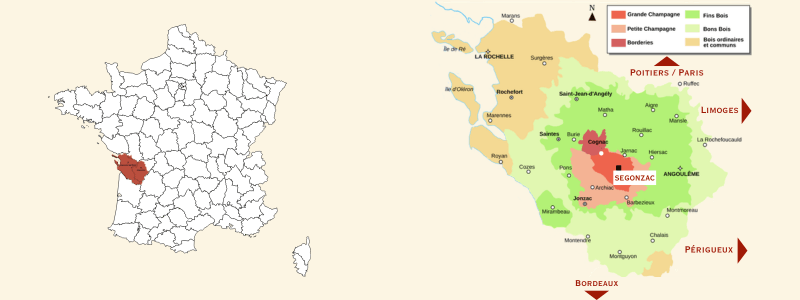 The 6 Cognac crus and their influence on quality
4. Cognac crus: a unique classification
The Cognac vineyard is divided into 6 official crus, each bringing specific aromatic characteristics.
Main crus:
- Grande Champagne: finesse and great aging potential
- Petite Champagne: balance and elegance
- Borderies: floral notes and roundness
- Fins Bois: fruitiness and suppleness
- Bons Bois: rustic character and faster maturation
- Bois Ordinaires: more marginal production
Discover our selection by quality: all our cognacs
5. The link between terroir and aging
Terroir directly influences the aging potential of cognac. Eaux-de-vie from the limestone soils of Grande Champagne age more slowly and develop more complex aromas.
To read: the role of oak barrels in aging
6. Our cognacs from the finest terroirs
At Cognac Only, we select cognacs from the best crus to guarantee exceptional quality.
View the full collection: Cognac Only shop
FAQ – Cognac terroir
Why is terroir so important?
Because it directly influences the quality of the grapes and therefore the aromatic profile of the cognac.
What is the best Cognac cru?
Grande Champagne is considered the most prestigious cru.
Does terroir change the taste of cognac?
Yes, each cru brings different aromas and structure.
Find all our articles on cognac: Cognac Only blog
Cognac Only – experts in cognac and exceptional terroirs.


.png)
Comments
No comment at this time!
Leave your comment