
Everything you need to know about Cognac: The Ultimate Guide
.png "Everything you need to know about Cognac: The Ultimate Guide")
Immerse yourself in the world of cognac: its history, craftsmanship, terroirs and ageing. A comprehensive guide to understanding this exceptional spirit and its secrets.
Cognac is a French spirit protected by an Appellation d’Origine Contrôlée (AOC). Its identity is based on a specific territory, grape varieties, a distinctive distillation method and a long process of ageing and blending.
This guide has been designed as a gateway into the world of Cognac. Here you will find the essential basics to understand its origins, production, terroirs, classifications and tasting, as well as links to our more in-depth guides.

Explore the Cognac guide
What is Cognac?
Cognac is a spirit made from wine, obtained through distillation and then aged in oak barrels. Its production is restricted to a defined geographical area around Cognac, in the Charente and Charente-Maritime departments of France.
To qualify for the Cognac appellation, production must comply with strict specifications concerning, in particular:
- the geographical production area;
- authorised grape varieties, primarily Ugni Blanc;
- distillation;
- the ageing of the eaux-de-vie;
- the production conditions of the final product.
Would you like to discover the different expressions of Cognac?
Discover our selection of CognacsA few key moments in the history of Cognac
The history of Cognac is closely linked to the wine trade. From the 16th century onwards, distillation helped improve the preservation and transport of wines from the region.
Over time, producers also discovered the influence of barrel ageing on the eaux-de-vie. Distillation, maturation and blending techniques gradually improved, eventually giving rise to Cognac as we know it today.

How is Cognac made?
Cognac production involves several major stages, from the vineyard through to the ageing of the eaux-de-vie.
1. The vines and grapes
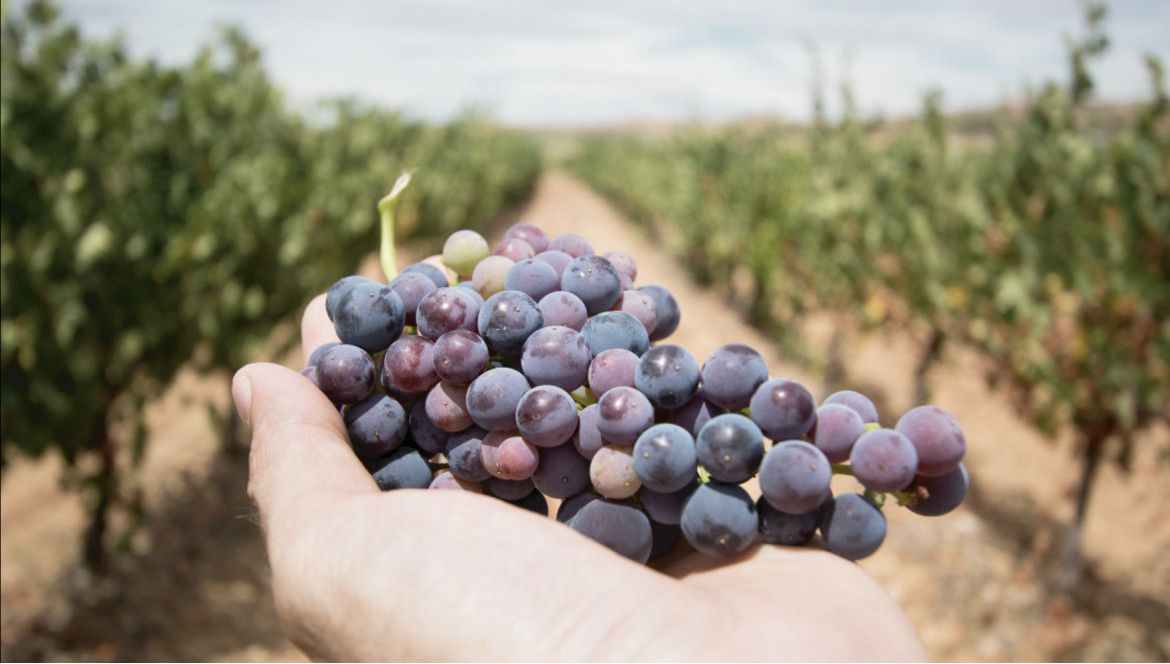
Cognac is primarily made from Ugni Blanc, a grape variety that produces wines particularly well suited to distillation.
2. Fermentation
After harvest, the grapes are pressed and then fermented to produce a dry white wine intended for distillation.
3. Charentais distillation
The wine is distilled in a Charentais pot still. The distillation process gradually allows the distiller to select the heart of the distillate, which will become the eau-de-vie intended for ageing.
To learn more:
4. Ageing in oak barrels
After distillation, the eaux-de-vie begin maturing in oak barrels. The wood, time and ageing conditions all contribute to the development of their colour, structure and aromas.
Also read: How oak barrels transform Cognac
Terroir and the 6 Cognac crus
The Cognac production area is divided into six crus. Soil type, climate and vineyard location all influence the characteristics of the eaux-de-vie produced in each area.
- Grande Champagne: eaux-de-vie renowned for their finesse and ageing potential.
- Petite Champagne: fine and elegant eaux-de-vie.
- Borderies: often floral and delicate profiles.
- Fins Bois: generally fruitier and rounder eaux-de-vie.
- Bons Bois: profiles influenced by more varied terroirs.
- Bois Ordinaires: terroirs where certain areas are strongly influenced by the sea.
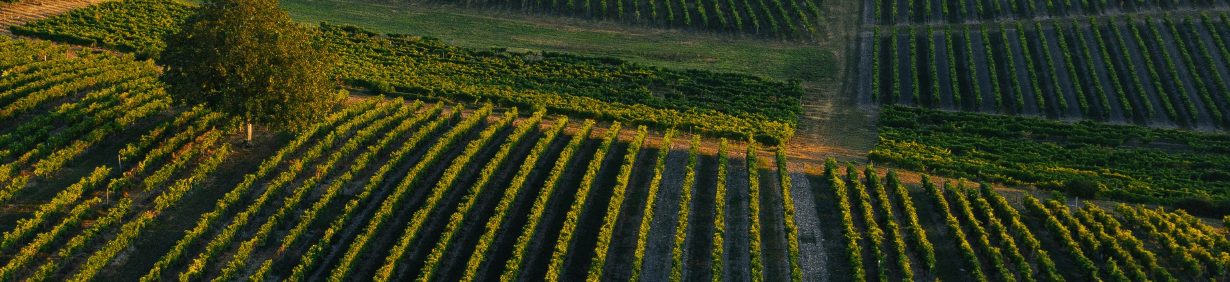
To understand in detail the influence of soils, climate and crus:
The role of terroir in Cognac quality
VS, VSOP and XO: understanding Cognac classifications
The designations shown on Cognac bottles help identify the minimum age of the youngest eau-de-vie used in the blend.
| Classification | Minimum ageing | Discover |
|---|---|---|
| VS | Minimum 2 years | View VS Cognacs |
| VSOP | Minimum 4 years | View VSOP Cognacs |
| XO | Minimum 10 years | View XO Cognacs |
However, these classifications alone do not define the personality of a Cognac. Terroir, the work of the Cognac house, blending and ageing also play a major role.
What aromas can be found in Cognac?
Depending on its origin, age, blend and maturation, Cognac can develop a very wide range of aromas. These may include:
- fruity notes;
- dried fruit;
- floral notes;
- spices;
- vanilla;
- woody notes;
- more evolved aromas resulting from long ageing.
There is therefore no single Cognac profile: two bottles belonging to the same classification can offer very different tasting experiences.
How to taste Cognac
Tasting allows you to gradually observe the colour, aromas and structure of a Cognac. A few simple principles can help you appreciate it more fully:
- choose a glass that helps concentrate the aromas;
- observe the colour of the Cognac;
- take time to explore the nose;
- taste gradually;
- observe the texture, balance and length on the palate.
There is no need to immediately identify dozens of different aromas. The most important thing is to gradually recognise the sensations and aromatic families that you enjoy.
Learn more about Cognac
This guide provides a general introduction. To explore each stage of Cognac production in greater detail, discover our specialist guides:
From the vineyard to the ageing of the eaux-de-vie.
Understand the influence of soils, climate and the different areas of the appellation.
Discover how distillation works and the role of the Charentais pot still.
Understand how wood and time gradually transform the eaux-de-vie.
How to choose the right Cognac
Our guide will continue to grow with new articles dedicated to choosing and tasting Cognac.
Coming soon:
VS, VSOP and XO: what are the differences?
Which Cognac should you choose as a beginner?
Which Cognac should you give as a gift?
How to taste Cognac
Cognac XO or Hors d’Âge: what are the differences?
Discover Cognac
Explore the different Cognac houses, terroirs, classifications and styles available on Cognac Only.
Browse our Cognac selectionCognac is the result of the meeting between terroir, craftsmanship, distillation and time. Understanding these different elements makes it easier to appreciate the differences between the crus, classifications and the many expressions offered by Cognac houses.
Cognac Only aims to keep this guide evolving over time and to enrich it progressively, helping you both discover Cognac and choose the right bottle.


.png)
Comments
No comment at this time!
Leave your comment